
Everyday Essentials – Healthcare, Education, Culture, and Language
Once you’re financially set, the focus shifts to daily life in Spain. Adapting to healthcare, education, cultural norms, and language barriers is key to thriving as an expat. In 2025, these aspects are more accessible than ever, and buying a home provides a sense of permanence, helping you root deeper into your new community.
Healthcare System Spain boasts one of the world’s best healthcare systems, ranking high globally with a mix of public and private options ensuring comprehensive coverage. Residents access the public system (SNS) through social security contributions or by paying into it directly, offering free or low-cost services like GP visits and emergencies. Expats often start with private insurance (€50-€150 monthly) for faster access to English-speaking doctors and shorter wait times. Providers like Sanitas or Adeslas cover everything from routine checkups to specialists, with costs dramatically lower than in the US—a doctor’s visit might be €0-€50 versus hundreds stateside. Life expectancy here is 83 years, thanks to preventive care and a healthy Mediterranean diet. For peace of mind, secure international coverage before moving, and note that owning property can qualify you for residency-linked public health benefits sooner.
Education and Family Life Spain’s education system is robust and family-oriented, with public schools free for residents and emphasizing bilingual programs in English or regional languages. For expat families, international schools such as the American School of Madrid or British School of Barcelona offer US-style curricula, costing €10,000-€20,000 annually but providing seamless transitions for kids. Family life thrives with safe, walkable neighborhoods, abundant parks, and generous parental leave policies—up to 16 weeks paid. Communities prioritize children, with after-school activities like soccer or arts clubs fostering integration. Buying a family home in suburbs or coastal areas ensures stability, avoiding disruptions that could affect school districts.
Cultural Adaptation and Lifestyle Spanish culture emphasizes work-life balance, with the famous siesta (a midday break) allowing time for family meals and relaxation, though it’s less common in big cities. Expect vibrant festivals like La Tomatina or Semana Santa, late-night social scenes, and a diet heavy on fresh seafood and paella. Cultural shocks might include slower service paces or direct communication styles, but expats often adapt by joining local clubs or Meetup groups. The lifestyle rewards with outdoor activities—hiking in the Pyrenees or beach days on the Costa Brava—promoting mental health. Owning property immerses you fully, turning your house into a hub for hosting and building lasting friendships.
Language and Communication While English is widely spoken in tourist hubs and among younger generations, Spanish (Castilian) is essential for deeper integration, especially in rural areas. Regional dialects like Basque or Galician add variety, but apps like Duolingo or Babbel make learning fun and free. Formal courses at the Instituto Cervantes cost €200-€500 for immersive programs, and many cities offer free language exchanges. Start with basics like greetings and ordering food to build confidence—bilingual signage in cities eases the transition.
As your Global Marketing Agent, I can help you find properties in family-friendly or culturally rich areas to enhance your everyday experience—let’s connect.
Featured Listing: Residencial Benidorm Beach


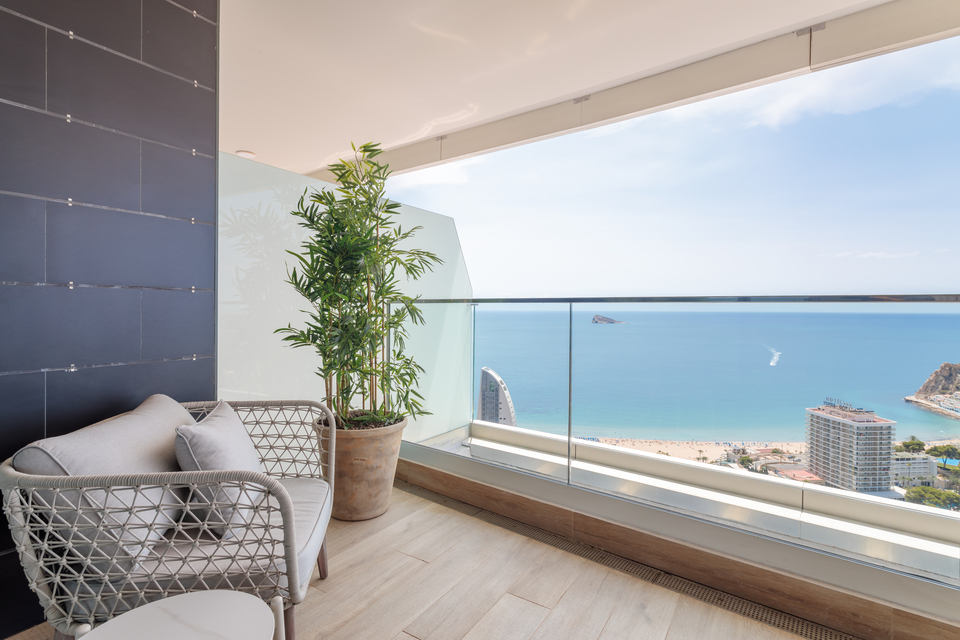

Four Luxury Condos Still Available and All the Details are HERE: https://natalie-prescott.myhawaii.realestate/d8rdsoot
Final post: Where to live and more.


 Top Hawaii Agents ~ Your Global Real Estate Agent
Leave a comment